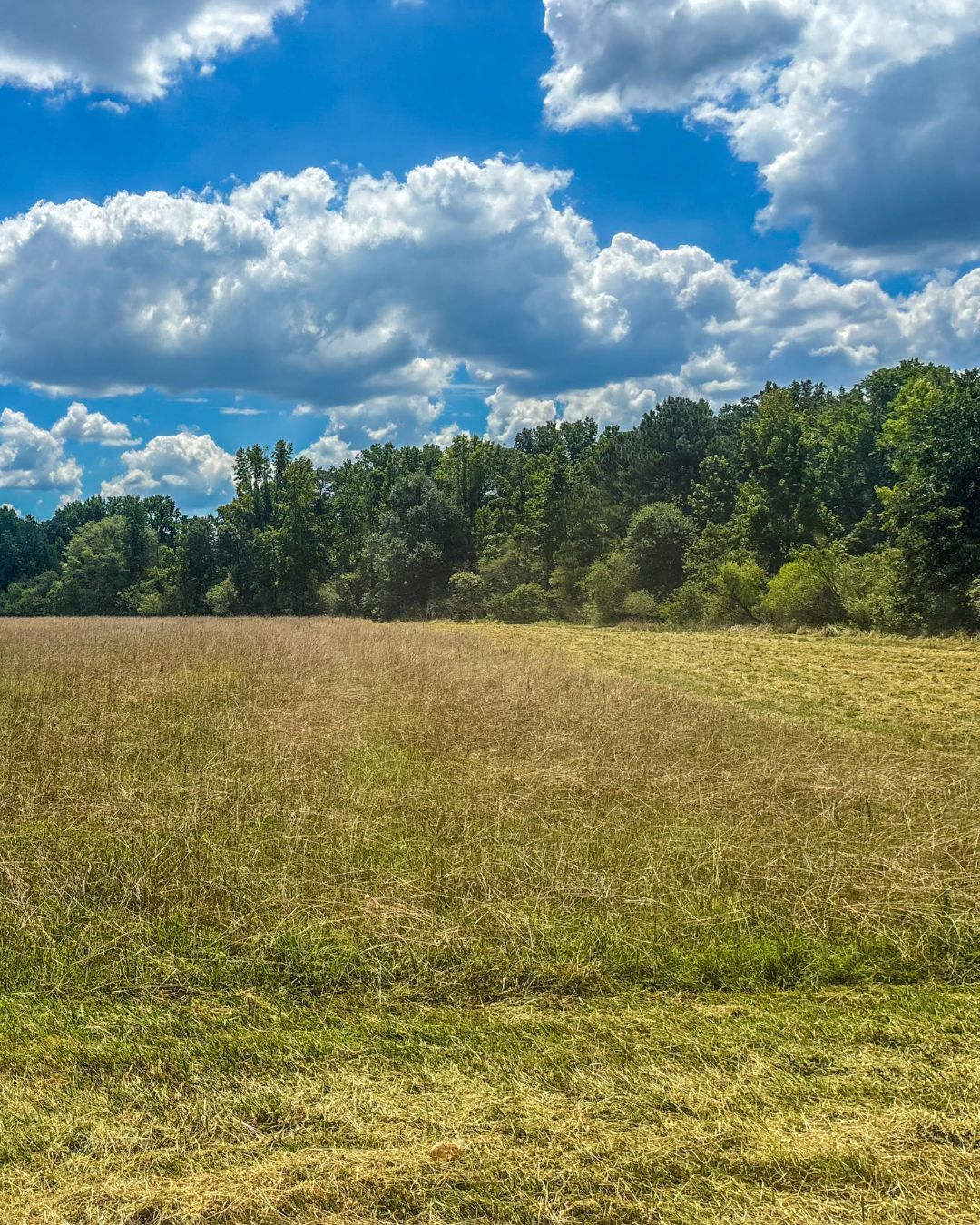

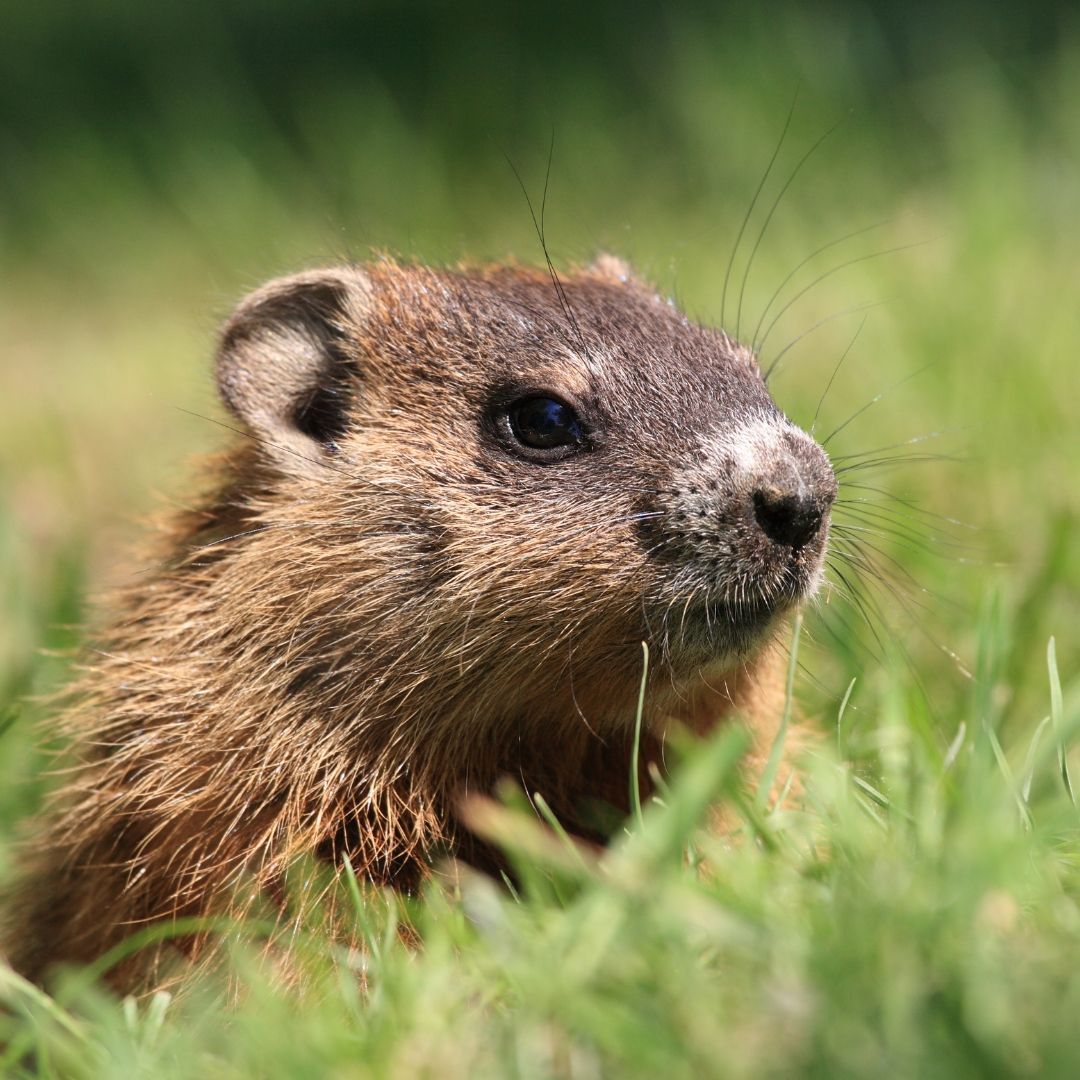
Georgia, known for its diverse landscapes and rich biodiversity, is home to a variety of wildlife species, including the groundhog (Marmota monax), also known by a variety of nicknames such as “woodchuck,” “land beaver,” and “whistlepig.” The term “woodchuck” has Native American word origins, from the word wejack or woodshaw, and also in the groundhog's Algonquian name for the animal, wuchak. Its other nickname, “whistlepig,” commonly used in the Appalachian region, is based on its high-pitched whistle, used to alarm the rest of the colony. The groundhog’s scientific species name, “monax,” is also based on Native American origins, with the word meaning “digger.” As the largest member of the squirrel family, these rodents are accomplished climbers and swimmers, making them a versatile species able to live in a variety of environments. While often regarded as backyard burrowers or predictors for the end of winter, these furry forecasters offer more to Georgia’s environment than meets the eye.
Groundhogs are primarily herbivores, munching on vegetation, including grasses, fruits, and vegetables. While they can pose a challenge for gardeners and farmers, this activity plays a crucial role in controlling the growth of certain plant species and keeping a balance so unchecked vegetation doesn’t become problematic. Groundhogs inadvertently aid in seed dispersal during their quest for food and exploration. The seeds can attach to their fur as they move through different environments, contributing to the regeneration and diversity of plant life across Georgia.
Their trademark behavior of being efficient diggers and burrowing serves various purposes to benefit both the groundhog and the environment. These underground burrows offer protection from predators and provide them with a safe space for hibernating during the winter months. The burrows provide shelter for groundhogs and various small mammals, reptiles, and insects, creating a network of microhabitats that foster biodiversity within Georgia’s ecosystem. Additionally, these burrowing activities contribute to soil aeration, improving soil health and benefiting plant growth by providing air to the plant's roots. This contributes to healthier vegetation in the surrounding areas.
Commonly known for indicating the end of winter by whether or not they see their shadow, this event does have some scientific backing to it. While not necessarily on that day or based on their shadow, these furry meteorologists can serve as a natural barometer for the transition from winter to spring with their natural emergence from hibernation in early spring. This makes them a seasonal indicator, as their behavior is often tied to the changing climate.
As we celebrate Groundhog Day this year in Georgia, it’s important to understand the habits and importance of their actions to our ecosystem. Their presence in Georgia also provides an opportunity for environmental education. Observing these creatures in their natural habitats allows residents to learn about the interconnectedness of wildlife and ecosystems. Groundhogs, with their distinct behaviors and seasonal patterns, offer a tangible connection to the natural world that helps foster an appreciation for biodiversity and the importance of wildlife conservation.
Whether it’s an extended winter or an early spring, Groundhog Day is worth celebrating!