Natural Communities: What Makes A Forest A Forest?
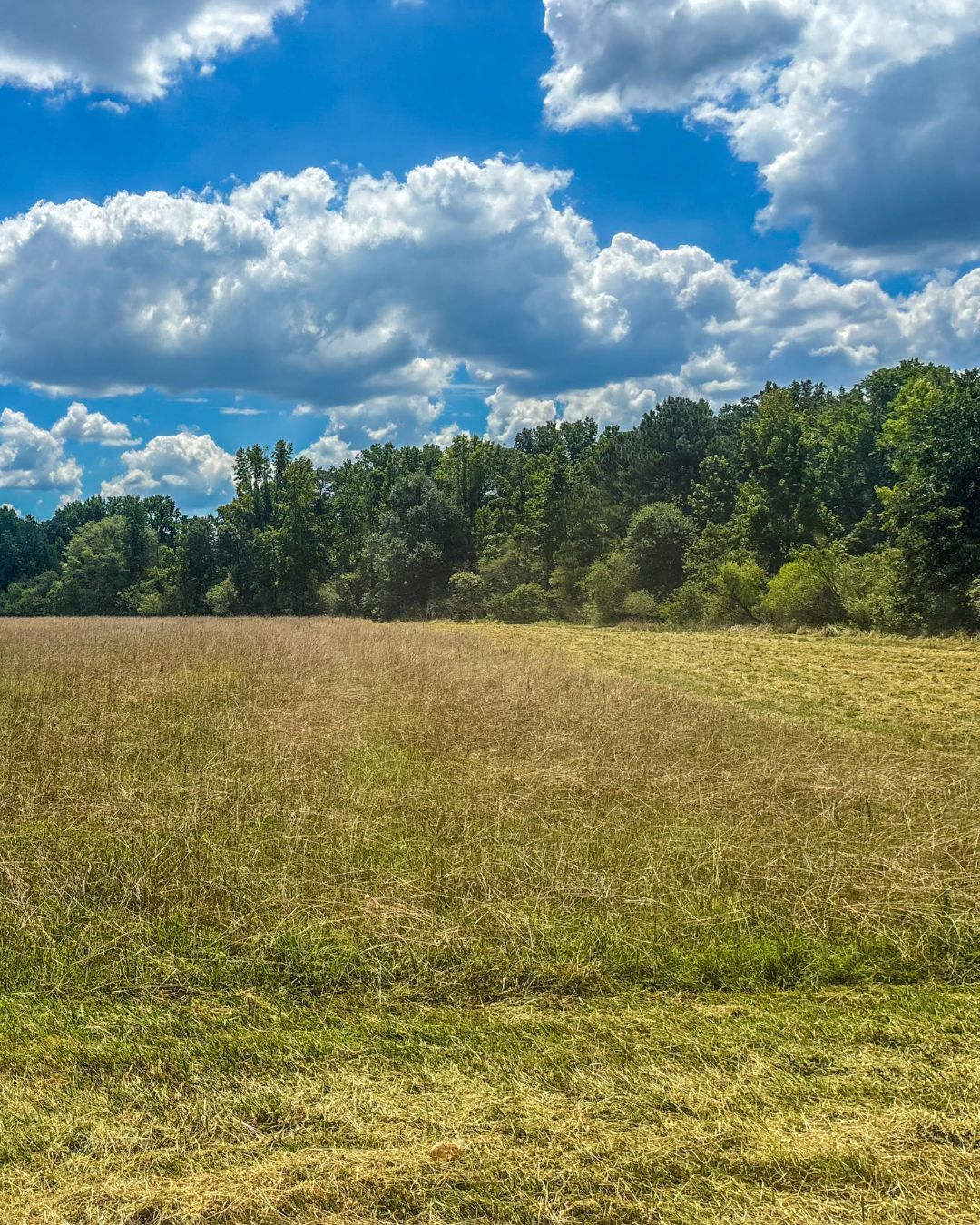
What makes a forest a forest, a meadow a meadow, or a swamp a swamp? Many physical factors play into the natural communities that occur on Southern Conservation Trust lands… and what’s in your backyard! Latitude/longitude, soil type, local climate, terrain, aspect (direction to the sun), hydrology, and elevation all determine what types of trees, shrubs, forbs, and grasses grow in, or are absent from, a natural community. These communities have associated animals that may exist in multiple community types or instead be restricted to unique ones that are found in very few locations.
A natural community is defined as “an assemblage of native plant and animal species, considered with the physical environment, which usually recurs on the landscape” ( Natural Communities of GA). An example found on SCT properties includes Oak-Hickory-Pine, considered the climax community forest in Georgia. It’s what you might think of as the classic Piedmont hardwood-pine forest in which one goes deer hunting. Another natural community type you might encounter is Bottomland Hardwood Forest (pictured right), composed of towering trees like sycamore, maple, and water oak which stand in wet, seasonally flooded soils, classifying it as a forested wetland. One of our favorites at SCT, and rare in Georgia, is the Granite Outcrop Community (pictured above). This community type is composed of bare rock that collects thin soils which support endemic, desert-like assemblages of plants including cactus, yucca, and Elf-orpine (a red succulent!).
State Departments of Natural Resources or similar agencies classify many natural communities and associated animals as High Priority. These are given special attention because of their sensitivity to human influence and importance to the ecological health of our environment. SCT is proud to protect many of these special natural areas, including a recent 2021 conservation easement containing abundant Gopher Tortoises in a Longleaf Pine-Scrub Oak Woodlands community. As a resident in Georgia, there are many opportunities to explore your natural communities in a variety of park and preserve settings. A suggested reading to help you investigate nearby natural communities is aptly named The Natural Communities of Georgia, which is published by the UGA Press and can be found through most online book retailers. Enjoy your exploration!
REFERENCES
The Natural Communities of Georgia, UGA Press, edited by Leslie Edwards, Jonathan Ambrose, and L. Katherine Kirkman.
Featured Photo: Granite Outcrop Community with Elf orpine
The post Natural Communities: What Makes A Forest A Forest? appeared first on Southern Conservation Trust.
Press & Media Inquiries
Contact Us
About Southern Conservation Trust
At Southern Conservation Trust, we are passionate about elevating nature through exceptional stewardship. Based in Georgia, our 501(c)(3) public charity has successfully conserved over 65,000 acres of land across the Southeast, including five public nature areas in Fayette County and the Fayette Environmental Education Center. We believe that protecting our natural spaces is just the beginning; everyone should have equal access to enjoy the beauty of the outdoors. Join us in our mission to foster a deeper connection between people and nature. Learn more at www.sctlandtrust.org.
Share Post
Recent Articles & Blogs