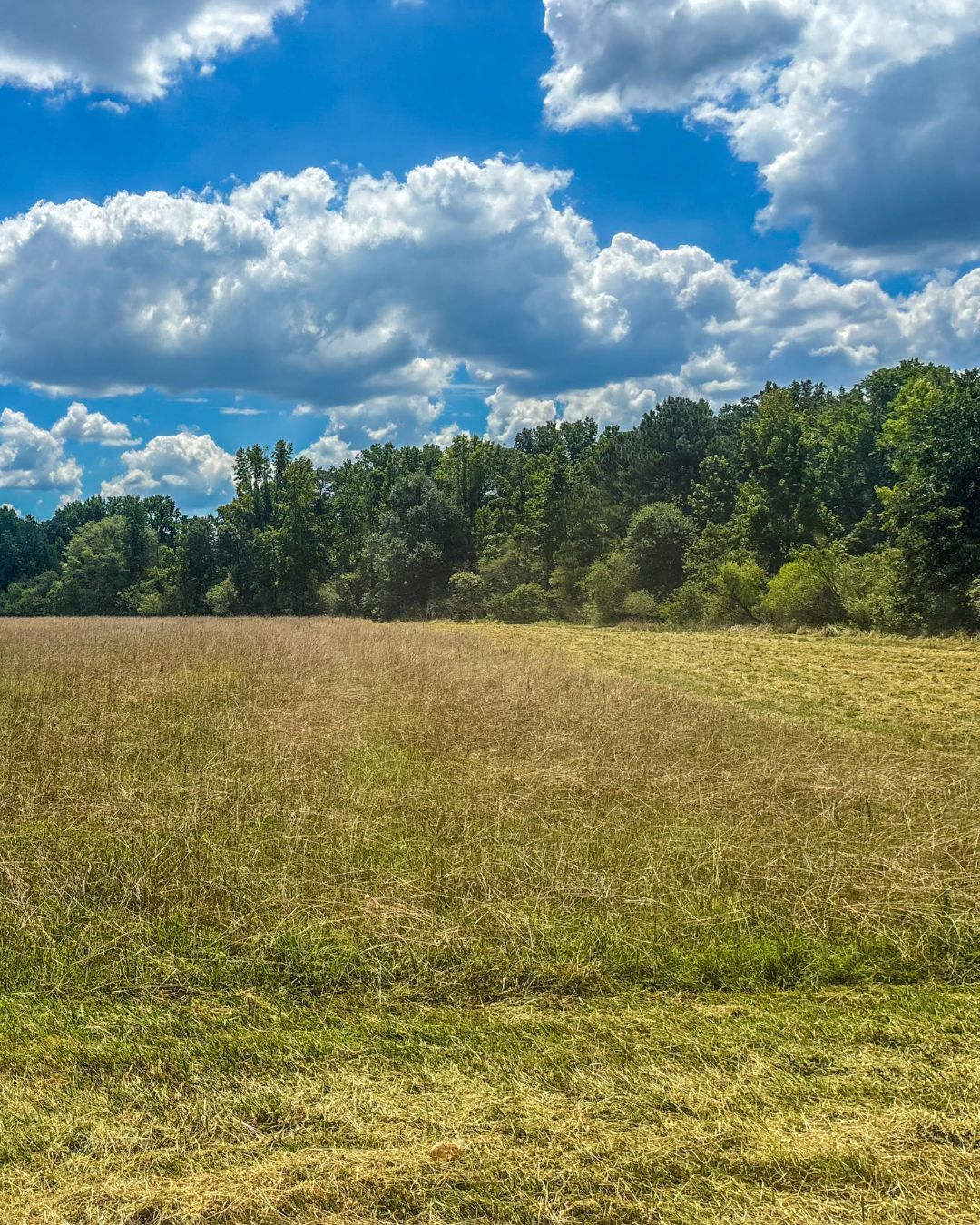

Nicks Creek Longleaf Reserve Hosts North Carolina Sandhills Conservation Partnership Meeting
Partners gather to tour restoration progress and strengthen regional conservation efforts in the Sandhills
By Brian McKnight, SCT’s Senior Conservation Biologist
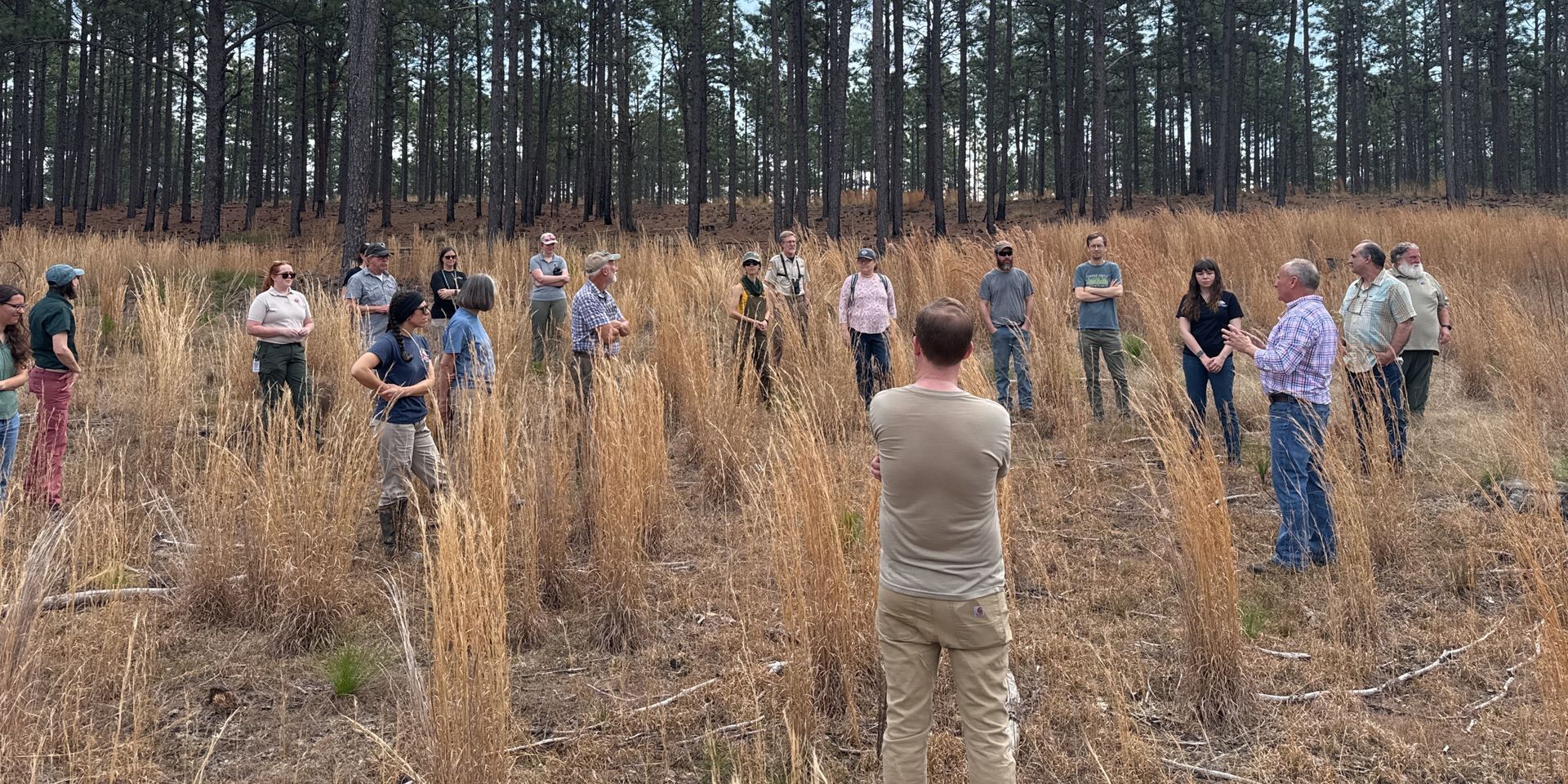
Jesse Woodsmith and Brian McKnight attended the North Carolina Sandhills Conservation Partnership (NCSCP) meeting, held at Nicks Creek Longleaf Reserve and hosted by Southern Conservation Trust (SCT) and property manager Melvin Ezzell.
A suite of partners attended, including representatives from The Nature Conservancy, US Fish and Wildlife Service, US Forest Service, Three Rivers Land Trust, NC Wildlife Resources Commission, North Carolina State Parks, North Carolina Wildlife Federation, private landowners, and more.
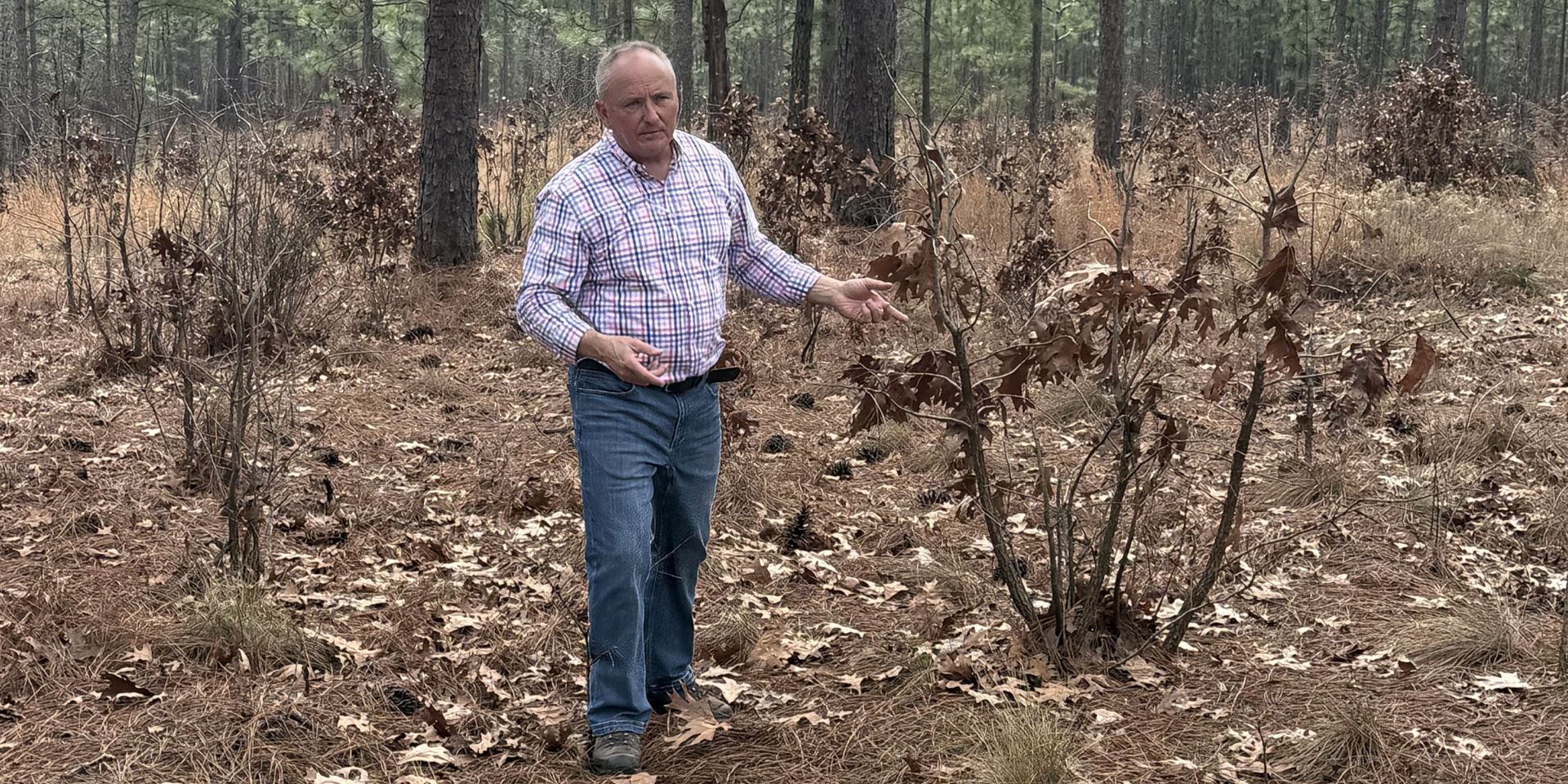
The day began with beautiful weather and a guided tour of Nicks Creek Longleaf Reserve led by registered forester and certified burner Melvin Ezzell. Melvin highlighted work completed over the past six years, showcasing techniques such as: thinning, controlled burning, herbicide control, and understory mulching. These methods are being used to restore various portions of the property into a thriving longleaf pine forest. Throughout the tour, partners engaged by asking questions, sharing perspectives, and commending the “sweat equity” that Melvin and his crew have devoted to the land.
A highlight of the tour was a visit to recently installed-and now inhabited- artificial nest cavities for the federally threatened Red-cockaded Woodpecker. Once a known inhabitant of Nicks Creek Longleaf Reserve, the species had been absent for decades, with only a few relic cavity trees remaining as evidence. Following years of restoration, the property successfully attracted new Red-cockaded Woodpecker residents from neighboring areas in 2024—a significant milestone for the site.
Participants enjoyed fellowship over bagged lunches in the shade of the barn, surrounded by historic farmstead features on the property.
Following the tour, NCSCP partners gathered to share updates and presentations, including an overview of the Hoffman Road Corridor - a proposed strategic conservation focus area for the Sandhills region - and for which Nicks Creek Longleaf Reserve serves as an anchor.
The day concluded with continued conversations and a shared sense of purpose among partners working to advance conservation across the Sandhills. Southern Conservation Trust is proud to steward Nicks Creek Longleaf Reserve and to be a partner in the NCSCP. We are grateful for the restoration efforts led by Melvin Ezzell, the support of multiple funding sources, and the ongoing collaboration of our regional partners.
Press & Media Inquiries
Contact Us
About Southern Conservation Trust
At Southern Conservation Trust, we are passionate about elevating nature through exceptional stewardship. Based in Georgia, our 501(c)(3) public charity has successfully conserved over 65,000 acres of land across the Southeast, including five public nature areas in Fayette County and the Fayette Environmental Education Center. We believe that protecting our natural spaces is just the beginning; everyone should have equal access to enjoy the beauty of the outdoors. Join us in our mission to foster a deeper connection between people and nature. Learn more at www.sctlandtrust.org.
Share Post
Recent Articles & Blogs