Why We Burn: For Landscapes, Wildlife, and People
Why We Burn: For Landscapes, Wildlife, and People
Burn Unit 11
Written by: Paxton Caroline Hayes
Photos taken by: Paxton Caroline Hayes
Location: Red Oaks Plantation in Oakfield, Georgia; private lands in Pike County, Georgia.
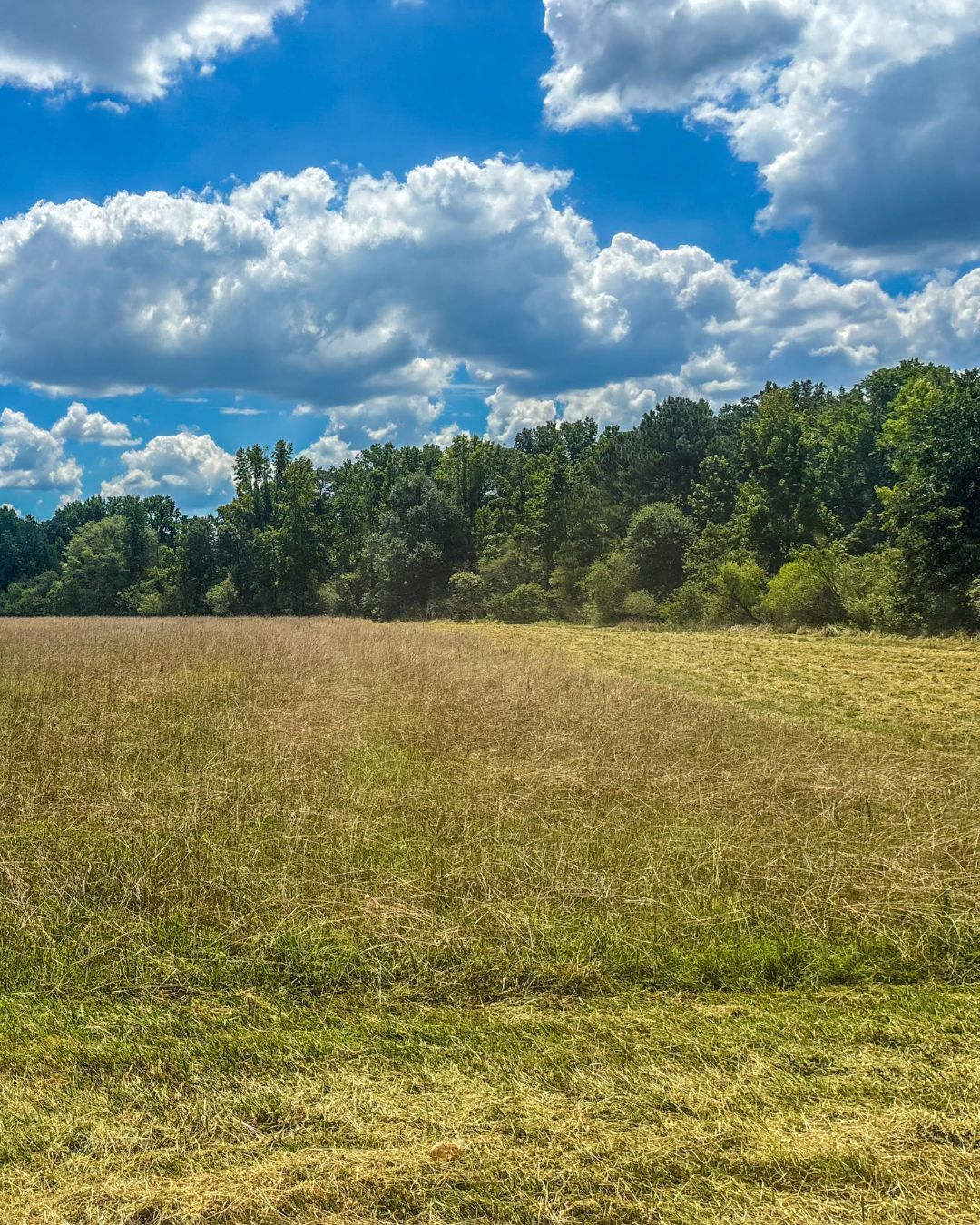
As spring approaches in the Southeast, our burn focus begins to shift away from mostly fuel reduction and wildfire prevention to many overlapping burn objectives. As our dormant season is slowly overtaken by the growing season, not only must we consider a greater percentage of water-heavy vegetation and higher temperatures, but we have wildlife nesting and foraging opportunities to consider. Thinking about only bobwhite quail, March and April is ideal to promote rapid green-up and nesting cover but June through October is ideal for knocking back the woody vegetation that chokes out native vegetation that is the ideal food source for adult quail. If you have multiple ecosystems or wildlife species you are wanting to promote, this decision requires even more consideration.
Choosing when and how to burn in the growing season comes down to your burn objectives: are you putting fire on your property for landscape health, for wildlife habitat, or for people?
For Landscape Health
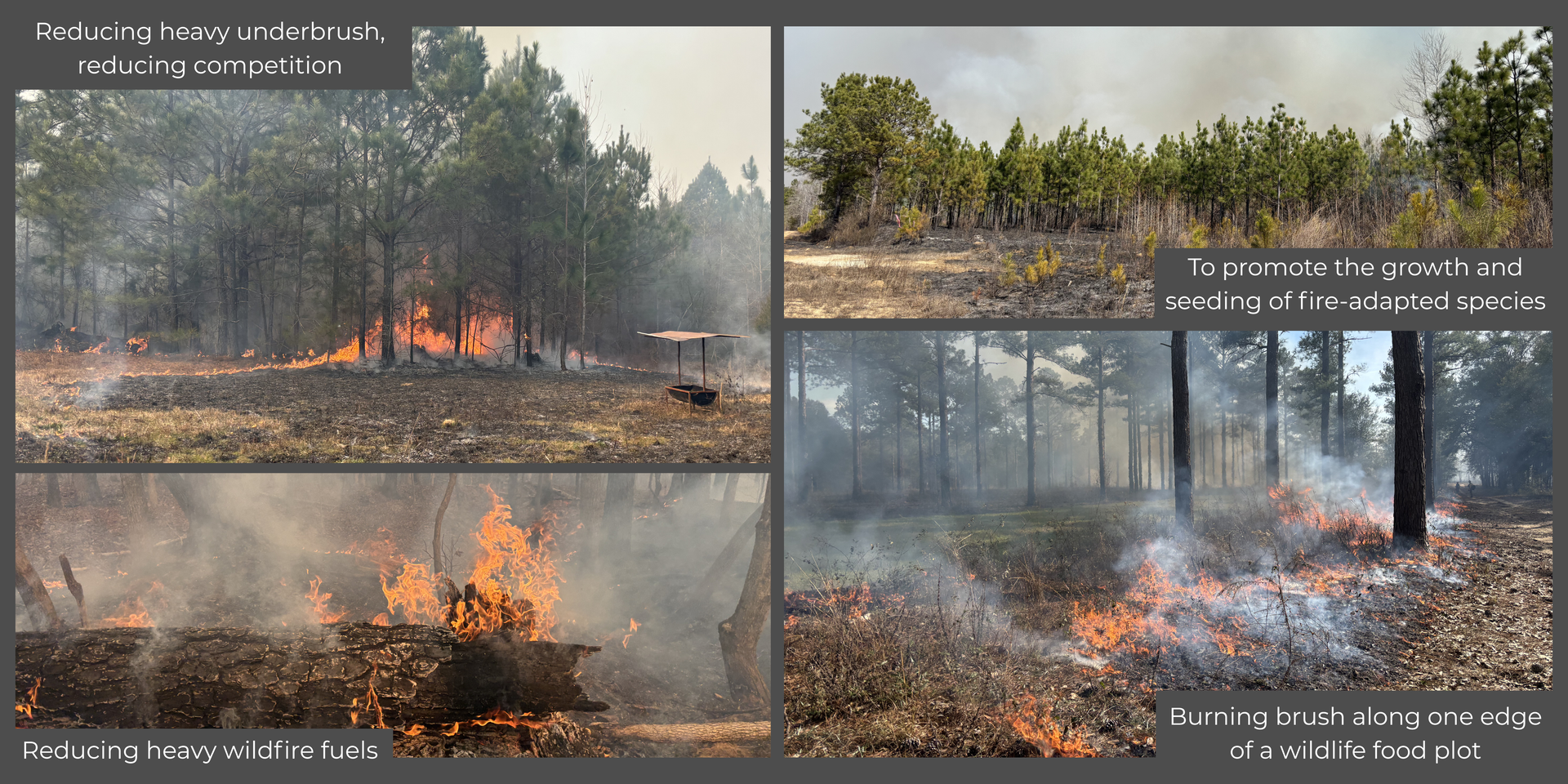
We use prescribed fire as a deliberate land management tool to maintain healthy, resilient landscapes as these burns mimic natural fire cycles, supporting biodiversity and long-term ecosystem balance. By carefully burning accumulated leaf litter, dead wood, and dense undergrowth, managers reduce the risk of severe, uncontrolled wildfires that can cause long-term ecological damage. Prescribed burns also return nutrients to the soil, stimulating new plant growth and improving habitat quality for wildlife. Many native plant species are adapted to periodic fire and even depend on it to germinate and thrive. In addition, regular low-intensity burns help control invasive species and maintain open forest structures.
For Wildlife
Prescribed fire is also used to improve habitat conditions and support diverse wildlife populations. Low-intensity burns remove thick underbrush and old vegetation, allowing sunlight to reach the ground and stimulate the growth of nutritious grasses, wildflowers, and shrubs that animals rely on for food. Fire also creates a mosaic of habitat types, some areas freshly burned and others unburned, providing different levels of shelter and foraging opportunities. Many species, including ground-nesting birds like bobwhite quail and large mammals like deer, benefit from the tender new plant growth that follows a burn. Prescribed fire can reduce invasive plants that crowd out native species, helping restore balanced ecosystems. By mimicking natural fire cycles, managers maintain healthier habitats that wildlife have adapted to over thousands of years.
For People
By reducing thick brush, fallen debris, and dense undergrowth that can block trails, roads, and work areas, prescribed fire also enhances the landscape for people. Clearing this buildup makes it easier and safer for people to move through forests and grasslands for recreation, management, and emergency response. Prescribed burns also enhance the appearance of the landscape by creating open, park-like settings with better visibility for admiring ecosystems and wildlife. After a burn, fresh green growth often emerges quickly, giving the area a healthier and more vibrant look. Overall, prescribed fire helps create landscapes that are both functional and visually appealing while still supporting ecological health.
Press & Media Inquiries
Contact Us
About Southern Conservation Trust
At Southern Conservation Trust, we are passionate about elevating nature through exceptional stewardship. Based in Georgia, our 501(c)(3) public charity has successfully conserved over 65,000 acres of land across the Southeast, including five public nature areas in Fayette County and the Fayette Environmental Education Center. We believe that protecting our natural spaces is just the beginning; everyone should have equal access to enjoy the beauty of the outdoors. Join us in our mission to foster a deeper connection between people and nature. Learn more at www.sctlandtrust.org.
Share Post
Recent Articles & Blogs