Celebrating World Snake Day with the Southern Conservation Trust
When the SCT conservation team steps onto one of our conservation easements or owned properties, our eyes are immediately on the lookout for snakes. Our scouting for snakes is not out of fear but admiration.
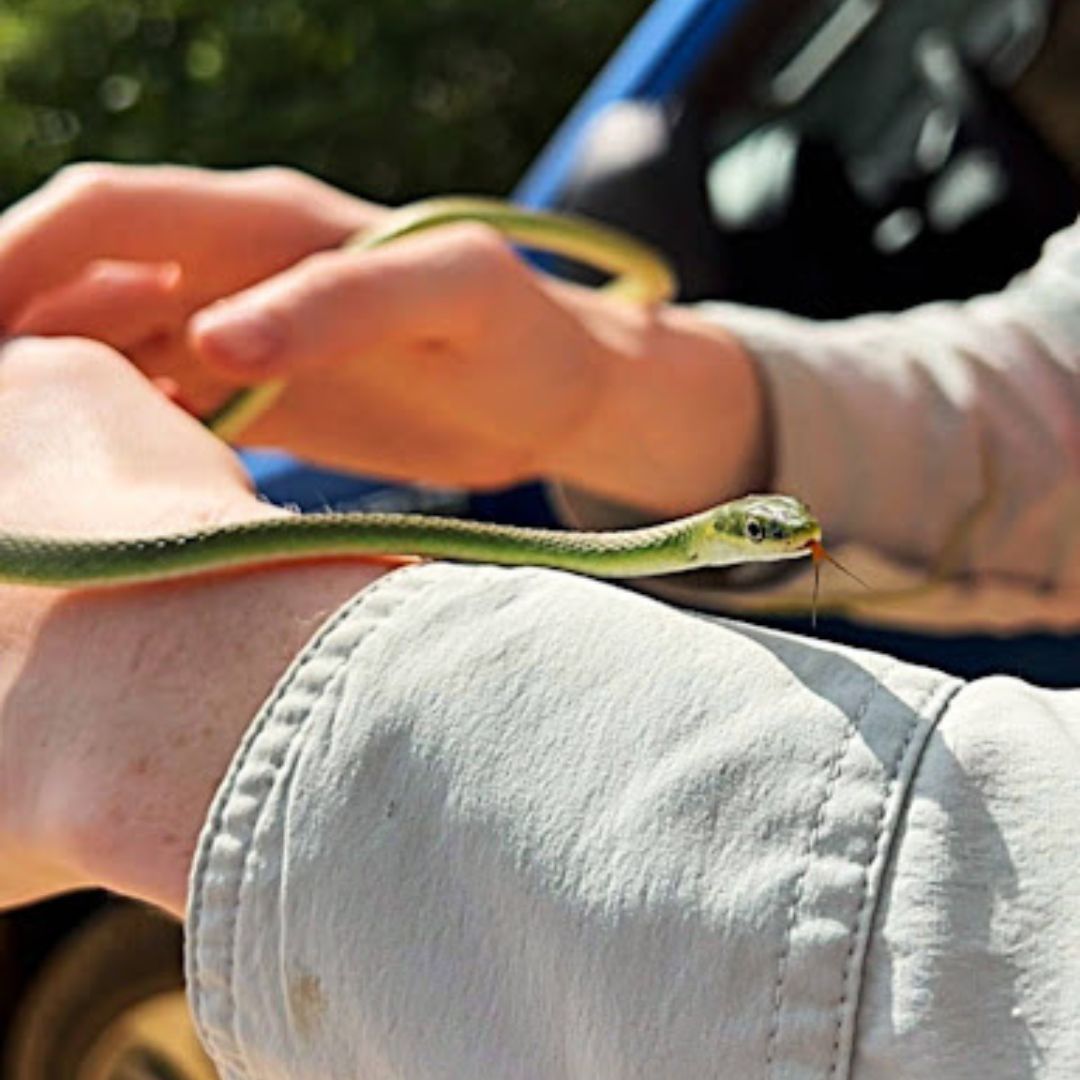
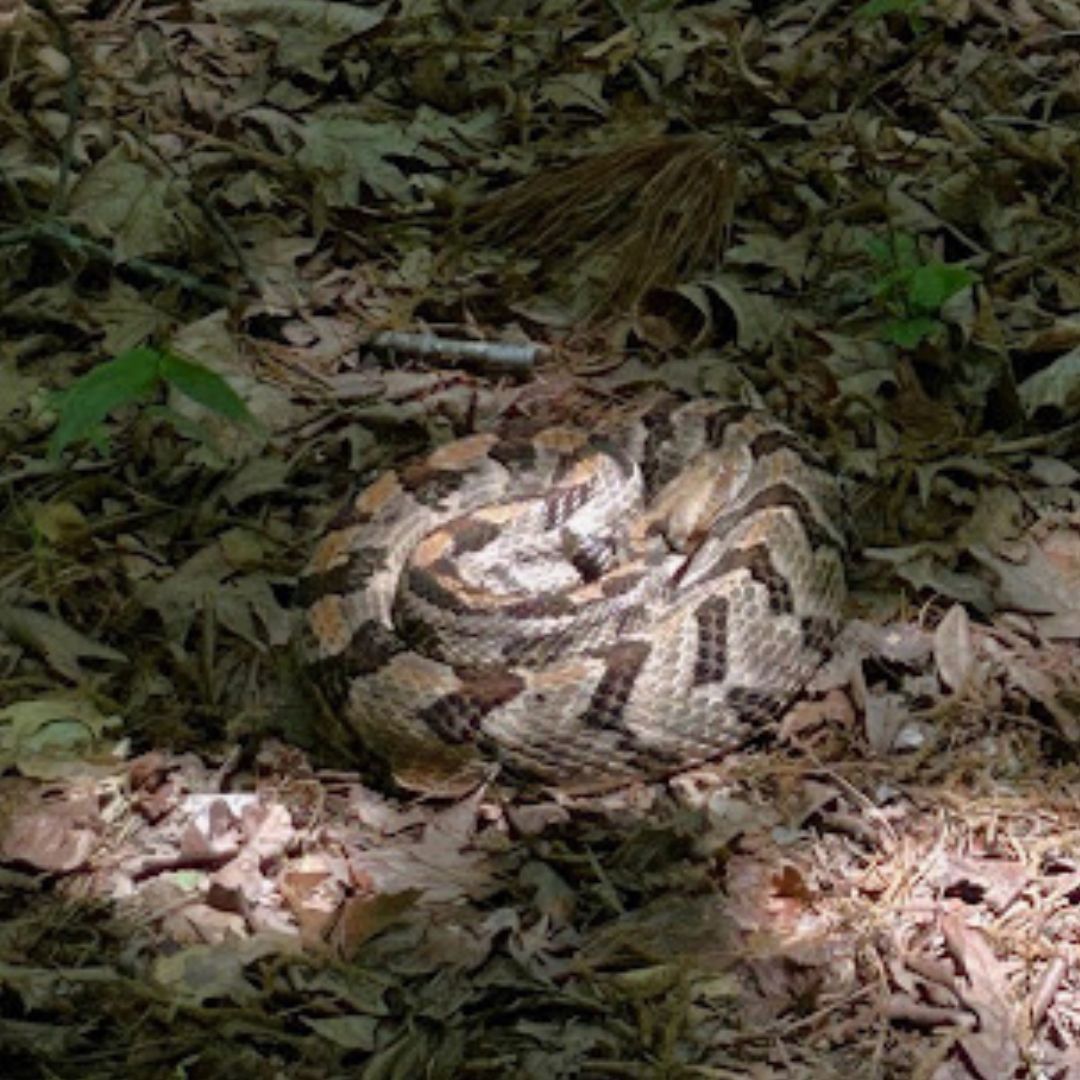
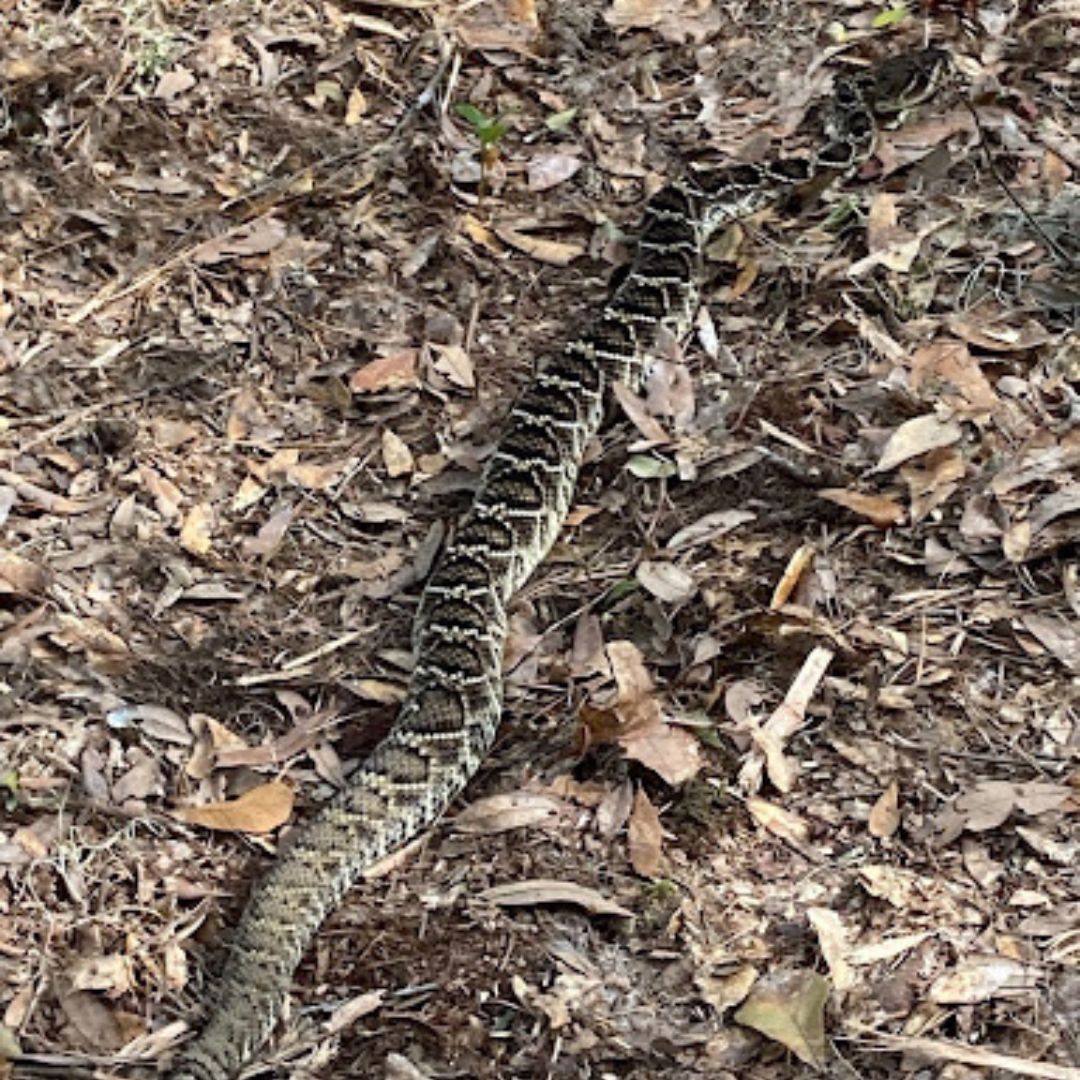
Spring and early summer sightings have been particularly bountiful, with many species of snakes observed, including banded water snakes, black racers, copperheads, black rat snakes, rough green snakes, and timber rattlesnakes. Intentionally keeping a safe distance, we note the species of snake for property monitoring reports, helping us build a portfolio of species found on each particular property.
Snakes are unique creatures within an order of reptiles known as Squamata, along with lizards. However, unlike lizards, snakes have no external ears, eyelids, and – you guessed it – limbs! From there, snakes are divided into many different families and genera, including Vipers and Constrictors. Georgia boasts a whopping 47 species of snakes, which includes the indigo snake, the largest snake native to North America, and six species of venomous snakes. Georgia’s remarkable snake diversity is due to its diverse geography and climate that range from mountains to swamps to coastal barrier islands and more.
World Snake Day is an opportunity to celebrate and raise awareness about snakes and their conservation in the natural world. As part of the intricate configuration of natural communities in Georgia, snakes are important predators, providing control of rodents and other small animals. At SCT, we encourage the conservation of our native snakes and celebrate them! Stop by our nature center sometime to meet a few of our animal ambassadors.
Join us in celebrating these fascinating reptiles and learn more about their role in our ecosystems.
Happy World Snake Day from the Southern Conservation Trust!
Press & Media Inquiries
Contact Us
About Southern Conservation Trust
At Southern Conservation Trust, we are passionate about elevating nature through exceptional stewardship. Based in Georgia, our 501(c)(3) public charity has successfully conserved over 65,000 acres of land across the Southeast, including five public nature areas in Fayette County and the Fayette Environmental Education Center. We believe that protecting our natural spaces is just the beginning; everyone should have equal access to enjoy the beauty of the outdoors. Join us in our mission to foster a deeper connection between people and nature. Learn more at www.sctlandtrust.org.
Share Post
Recent Articles & Blogs